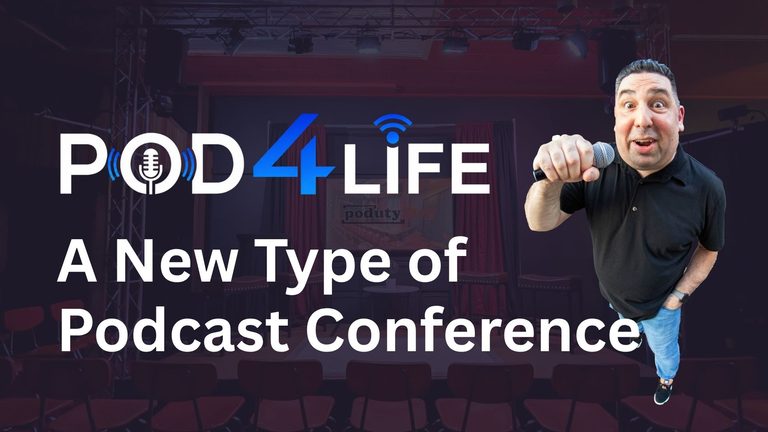
How to Structure a Live Podcast So the Audience Stays Engaged

Recording a podcast and performing a podcast are two very different experiences. When you are recording in a home studio, you only have to think about the listener. When you are hosting a live podcast, you are performing for two audiences at the same time: the people sitting in the room and the people who will listen later. A well structured live show keeps the room energized while still producing a great episode for the podcast feed.
Start With a Strong Opening
The first minute of a live podcast sets the tone for the entire event. This is your moment to welcome the audience, explain what they are about to experience, and establish your energy as the host. A strong opening might include a quick introduction, a brief explanation of the show format, and a clear signal that the recording has begun.
Live audiences respond to confidence and clarity. If the show begins with momentum, the audience will settle in quickly and become part of the experience.
Break the Show Into Segments
One of the biggest mistakes podcasters make when going live is treating the show like a long conversation. In a live environment, structure matters. Breaking your show into segments gives the audience natural checkpoints and keeps the pacing tight.
Segments might include things like:
- A short opening monologue
- A guest interview
- Audience questions
- A game or interactive moment
- A closing recap
These segments give the audience variety and prevent the show from feeling like a single long block of conversation.

Create Moments for Audience Interaction
A live podcast should never feel like the audience is simply watching a recording session. The magic of a live show comes from the interaction between the host and the crowd.
This could include asking the audience questions, inviting volunteers on stage, running a quick poll, or encouraging reactions and applause. Even small moments of interaction make the audience feel like they are part of the show instead of just observers.
When the audience becomes part of the experience, the energy in the room changes completely.
Keep Segments Tight
Attention spans are different in a live setting. A conversation that might work for a 60 minute podcast episode may lose energy if it runs too long on stage. Shorter segments keep the audience engaged and allow the show to move quickly.
A simple guideline is to design your show with clear transitions every 5 to 10 minutes. This keeps the pacing lively and prevents the show from drifting.
Build Toward a Clear Ending
Just like a great story, a live podcast should build toward a clear ending. The closing moment is your opportunity to thank the audience, highlight key takeaways, and encourage listeners to follow or support the show.
A strong closing gives the audience a sense that they experienced something complete and memorable.
Remember: You Are Performing
The most important mindset shift for any podcaster stepping onto a stage is realizing that you are no longer just recording content. You are performing.
That does not mean you need to be a comedian or a professional entertainer. It simply means you should be aware of pacing, energy, and how the audience is experiencing the show in real time.
When a podcast is structured with the audience in mind, the result is a live event that feels exciting in the room and sounds great when it is released as an episode.
The Opportunity of Live Podcasting
Live podcasting opens the door to something many podcasters never experience: a real connection with the audience. When listeners can see the show being created, react to it, and participate in the moment, the podcast becomes more than just audio. It becomes an event.
For podcasters interested in exploring live shows, spaces like the Poduty Podcast Theater in Tarentum, Pennsylvania give creators the opportunity to record professional episodes in front of an audience, livestream their shows globally, and experiment with the growing world of live podcasting.